


Dr Eduardo Di Cuffa – GP at Thyme
When it comes to losing weight and feeling great, protein isn’t just for athletes or bodybuilders, it’s for everyone. You might have heard different things about protein. Some say we’re getting plenty, others argue we need more. So, what’s the real deal?
Protein is more than just muscle fuel; it’s vital for immune health, hormone balance, healthy skin, and even strong bones. But when it comes to weight loss, protein has some special powers you definitely want on your side.
Protein, Satiety, and Why it Matters
One big reason protein is essential for weight management is how satisfying it is. Simply put, protein makes you feel fuller for longer. Unlike carbs or fats, protein boosts hormones that tell your brain, “I’m full!” while quieting down those pesky hunger signals. The science is clear: if you eat enough protein, you’re less likely to snack on calorie-heavy foods later.
Another fascinating thing about protein is something called the thermic effect of food. Basically, your body works harder (burning more calories) digesting protein compared to fats or carbs. Imagine burning calories just by eating. That’s exactly what protein helps you do!
Protein Leverage: How Ultra-Processed Foods Sabotage Your Goals
Have you ever eaten a whole bag of crisps and still felt hungry? It’s not your fault. Ultra-processed foods (UPFs – this is essentially foods with additives that you wouldn’t typically find in a standard kitchen at home and include emulsifiers, artificial sweeteners, sugar alcohols, preservatives, GUMs), think snack bars, crisps, sugary cereals, and many convenience meals, they often contain little protein. According to the Protein Leverage Hypothesis, our bodies crave protein so strongly that if our diets lack protein (which is common in ultra-processed foods and snacks which are relatively lower in protein and higher in sugars and fats), we’ll end up overeating carbs and fats to meet our protein needs. This can lead directly to weight gain.
To break this cycle, aim for meals and snacks that are rich in protein from whole foods. This helps curb cravings naturally and keeps overeating at bay.
NHS Guidelines vs. Newer Research: What You Need to Know
Current NHS guidelines recommend at least 0.75 grams of protein per kilogram of body weight each day. This prevents deficiency, but newer research suggests that for weight loss, maintaining muscle, and improving overall health, aiming a bit higher; around 1.2 to 1.6 grams per kilogram is beneficial. This is especially true if you’re actively trying to lose weight, exercising regularly, or getting older.
Practical Tips for Optimising Protein Intake
To harness the benefits of protein:
Start strong at breakfast: Incorporate eggs, Greek yoghurt, kefir (unflavoured) alongside mixed nuts and seeds, or a protein smoothie, to kickstart your metabolism and avoid mid-morning snacking.
The evidence is for spacing protein throughout your day: Aim for around 20 to 30 grams per meal to keep hunger at bay and protect muscle mass (avoiding protein at breakfast and just having a more protein heavy dinner instead, is less effective).
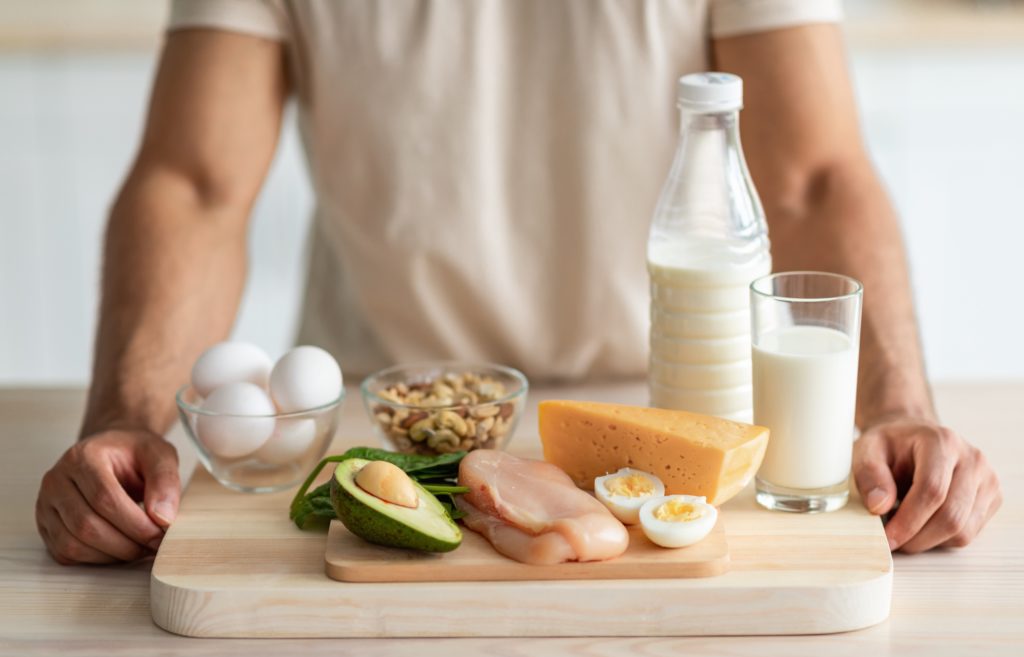
Choose whole foods first: Go for lean meats (chicken/turkey), fish, eggs, beans, lentils, dairy, nuts, and seeds. These provide protein along with vitamins, minerals, and fibre.
If you’re relying on plant-based proteins, consider pairing legumes (like lentils or beans) with whole grains (such as brown/red/black rice, jumbo oats, quinoa, barley, bulgur wheat, or wholemeal pasta) to optimise the amino acid profile and enhance protein quality.
Limit ultra-processed foods: Avoid processed meats like sausages or bacon, sugary protein bars, and snack foods. They’re often high in salt, sugars, and unhealthy fats.
Consider protein supplements wisely: Protein shakes or bars can be convenient, especially post-exercise, but shouldn’t replace whole foods regularly.
Protein-Rich Foods to Embrace and Foods to Avoid
Increase these:
- Eggs, Greek yoghurt, cottage cheese
- Lentils, beans, chickpeas (
- Chicken, turkey, fish
- Tofu, tempeh, quinoa
Limit these:
- Highly processed snack bars and protein bars with added sugars and artificial ingredients
- Sugary cereals and pastries
- Protein supplements with multiple additives (often flavoured)
- Processed meats (sausages, bacon, deli meats) and excessive amounts of red meat.
Supplementation: Worth Considering?
Sometimes life gets busy, and whole foods aren’t always convenient. Protein powders like Whey or Casein or plant-based options can help bridge gaps. Look for products without added sugars or excessive additives (often labelled unflavored). If you’re older or have trouble meeting protein goals through food alone, supplements might be beneficial. This should be an additive if you’re struggling to fulfill your protein daily requirement, not to be taken INSTEAD of nutritious whole foods. We would strongly recommend talking to our nutritionist for tailored advice for this.
A Day of Protein: Example Diet for a 75kg Omnivore
To hit a target of 1.5g/kg for a 75kg person (about 110 to 115 grams of protein), here’s what a typical plant-focused (for gut health optimisation) omnivore day might look like:
Breakfast:
- 2 scrambled eggs with spinach and mushrooms (12g)
- 1 slice whole grain sourdough toast with peanut butter (7g)
- 150g Greek yoghurt with chia seeds and berries (15g) Total: ~34g
Lunch:
- Quinoa salad with chickpeas, roasted vegetables, pumpkin seeds, and a tahini dressing (20g)
- Side of edamame or a boiled egg (7g) Total: ~27g
Snack:
- Protein shake with 250ml semi-skimmed milk and a banana (approximately 27g) Total: ~20g
Dinner:
- Grilled salmon (120g) or tofu stir fry with mixed vegetables and brown rice (25g)
- Side of lentil and beetroot salad (10g) Total: ~35g
Daily Total: ~116g
This example shows it’s absolutely achievable to meet your protein needs using mostly whole foods, with a mix of plant and animal sources. Even if you choose not to use a supplement, it’s possible to hit these targets with mindful planning.
Personalised Nutrition: Your Secret Weapon
Every person is unique, and your nutrition should reflect that. Working with our nutritionist can dramatically enhance your weight loss journey, particularly if you’re using injectable medications or experiencing specific health conditions. A personalised approach helps you set realistic goals, select foods you love, and stay motivated throughout your journey.
In short, protein isn’t just another diet fad, it’s a powerful tool supported by robust science. By prioritising protein-rich whole foods, spacing out your intake throughout the day, and getting personalised guidance, you’ll not only lose weight but also feel energised, satisfied, and healthier overall.

Leave a Reply